

In a world where your toaster might just be smarter than you, the Internet of Things (IoT) is revolutionizing how we consume energy. Imagine a home where your fridge tells you when you’re out of milk while your thermostat learns your favorite temperature—sounds like a sci-fi movie, right? But this isn’t fiction; it’s the new reality, and it’s saving more than just your sanity.
As energy demands soar and climate concerns grow, IoT is stepping in like a superhero with a cape made of smart sensors. By connecting devices and optimizing energy use, it’s not only making life easier but also paving the way for a sustainable future. Buckle up as we dive into how this tech marvel is reshaping energy consumption and why it’s time to embrace the smart revolution.
Understanding the Internet of Things and Energy
The Internet of Things (IoT) significantly impacts energy management in various sectors, especially in residential and commercial spaces. Smart devices integrate seamlessly, allowing users to monitor and control energy consumption in real-time. This connectivity facilitates informed decisions, such as adjusting heating or cooling systems based on usage patterns.
In homes, smart thermostats contribute to energy savings by learning user preferences. They automatically adjust temperatures to optimize energy use during different times of the day. Similarly, smart lighting systems enable users to manage light levels based on occupancy and daylight availability.
Furthermore, IoT technology plays a vital role in grid management. Utility companies utilize smart meters to monitor energy consumption patterns. This data collection helps detect outages and optimize energy distribution, ultimately reducing waste. Predictive analytics enhances this process by forecasting energy demand trends.
Integration of renewable energy sources also benefits from IoT solutions. Solar panels equipped with smart technology enable real-time performance tracking, maximizing energy production and efficiency. Storage systems like smart batteries optimize energy storage and utilization.
Adopting IoT solutions fosters sustainable practices, addressing increasing energy demands and climate change. By providing insights into energy usage and automating processes, these technologies promote greater efficiency. While traditional energy management relies on manual systems, IoT enhances user experience and reinforces overall sustainability initiatives.
Impact of IoT on Energy Efficiency
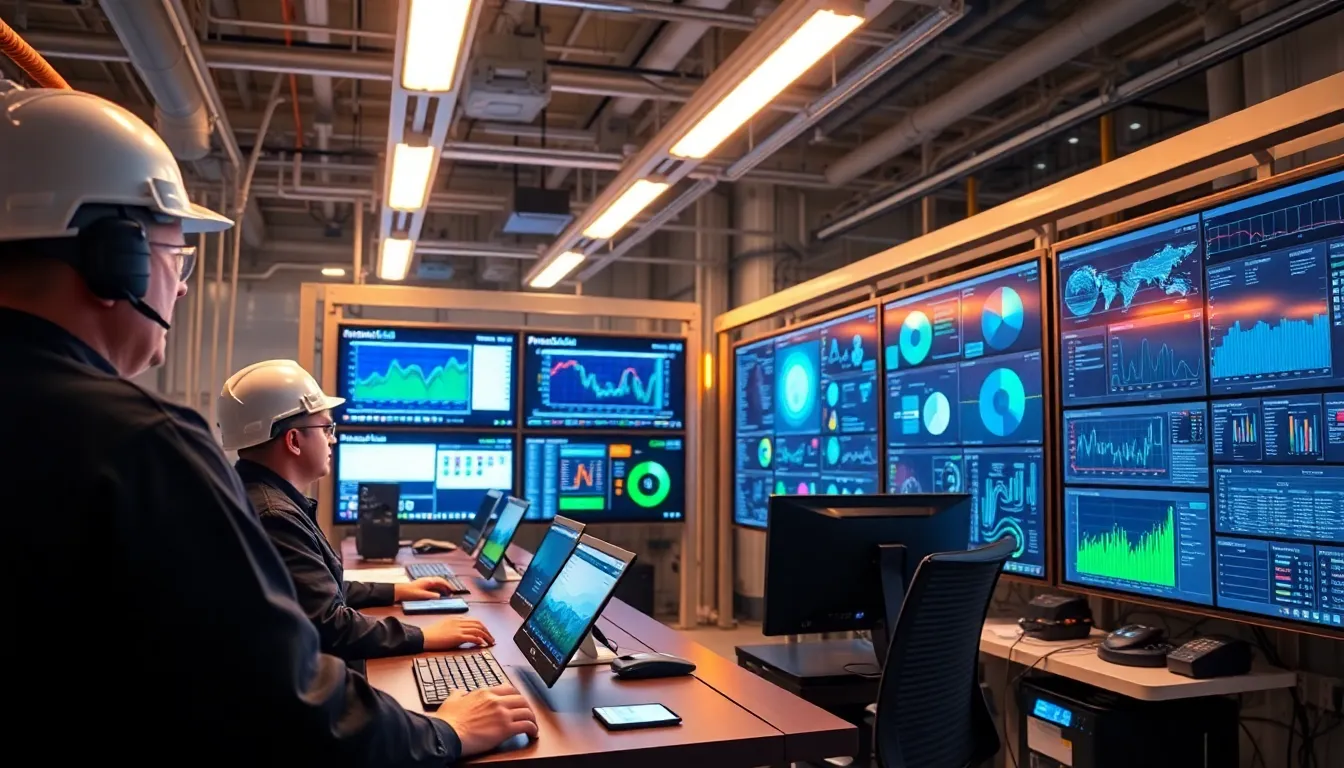
The Internet of Things (IoT) significantly enhances energy efficiency through various technological advancements. Key innovations within this ecosystem streamline energy consumption and drive sustainability.
Smart Grids and Their Role
Smart grids transform traditional energy systems into efficient networks. They leverage IoT devices to facilitate real-time communication between consumers and energy providers. Enhanced data collection allows utilities to predict energy demand accurately, which helps balance supply and reduce waste. Furthermore, smart grids can integrate renewable energy sources seamlessly. By doing so, they mitigate reliance on fossil fuels and promote cleaner energy solutions. Enhanced grid management leads to fewer outages and improved reliability for consumers.
Energy Consumption Monitoring
Energy consumption monitoring systems provide valuable insights into user habits. Smart meters track usage patterns, enabling individuals to identify peak consumption times. Analytics derived from this data guide energy-efficient decisions and promote smarter usage. They give suggestions for adjusting devices based on user preferences and occupancy. Advanced analytics help in detecting inefficiencies, leading to significant cost savings. Visualizing detailed consumption metrics leads to better informed choices about energy usage.
Applications of IoT in Energy Management
The Internet of Things revolutionizes energy management across various sectors. Enhanced efficiency and real-time monitoring represent just a few of the advancements.
Smart Homes
Smart homes utilize IoT devices to optimize energy usage. Smart thermostats learn household patterns, adjusting heating and cooling automatically. Intelligent lighting systems respond to occupancy, ensuring lights switch off when rooms are empty. Furthermore, energy monitoring devices track consumption across appliances. Homeowners can access this data via mobile apps, enabling informed decisions for energy savings. Integrating these technologies leads to reduced bills and lowers carbon footprints.
Industrial Energy Solutions
Industries benefit significantly from IoT applications in energy management. Smart sensors track equipment performance, identifying inefficiencies in real-time. Predictive maintenance alerts prioritize repairs, preventing costly downtime. Moreover, advanced analytics helps manage energy loads during peak times, reducing stress on the grid. Smart grids facilitate communication between energy providers and consumers, leading to better demand forecasting. This collaboration aids in incorporating renewable sources, enhancing overall energy efficiency and sustainability.
Challenges and Opportunities
The Internet of Things (IoT) in energy management presents both challenges and opportunities. As the technology advances, addressing these challenges is essential for maximizing benefits.
Security Concerns
Data security ranks as a primary concern for IoT devices used in energy management. Cybersecurity threats pose risks, as connected devices can become points of entry for attacks. Protecting sensitive consumer information requires robust encryption and security measures. Organizations must implement regular updates and monitor systems for vulnerabilities. Users also need to adopt secure practices, like changing default passwords and using multi-factor authentication. Ensuring security helps maintain consumer trust and the overall integrity of IoT systems.
Future Innovations
Future innovations in IoT energy management may greatly enhance efficiency and sustainability. Smart grids can evolve through improved communication networks, allowing better integration of renewable energy sources. Innovations in artificial intelligence and machine learning could lead to predictive analytics, enabling utilities to forecast energy demands. Enhanced energy storage solutions might also emerge, making renewable sources more reliable. Additionally, development of interoperable devices may promote seamless interaction among various systems. These advancements promise to streamline energy consumption and create a more sustainable energy landscape.
The Internet of Things is reshaping how energy is consumed and managed. By integrating smart devices and advanced analytics, it empowers users to make informed decisions about their energy use. This not only leads to significant cost savings but also promotes sustainable practices essential for addressing climate challenges.
As technology continues to evolve, the potential for IoT in energy management will only grow. Embracing these innovations is crucial for achieving a more efficient and sustainable energy future. With the right approach, individuals and businesses can harness the power of IoT to optimize their energy consumption and contribute to a greener planet.


